Holistic and integrative vet care: what it is and how to vet a provider
By Dana Whitfield · Updated 2026-09-21
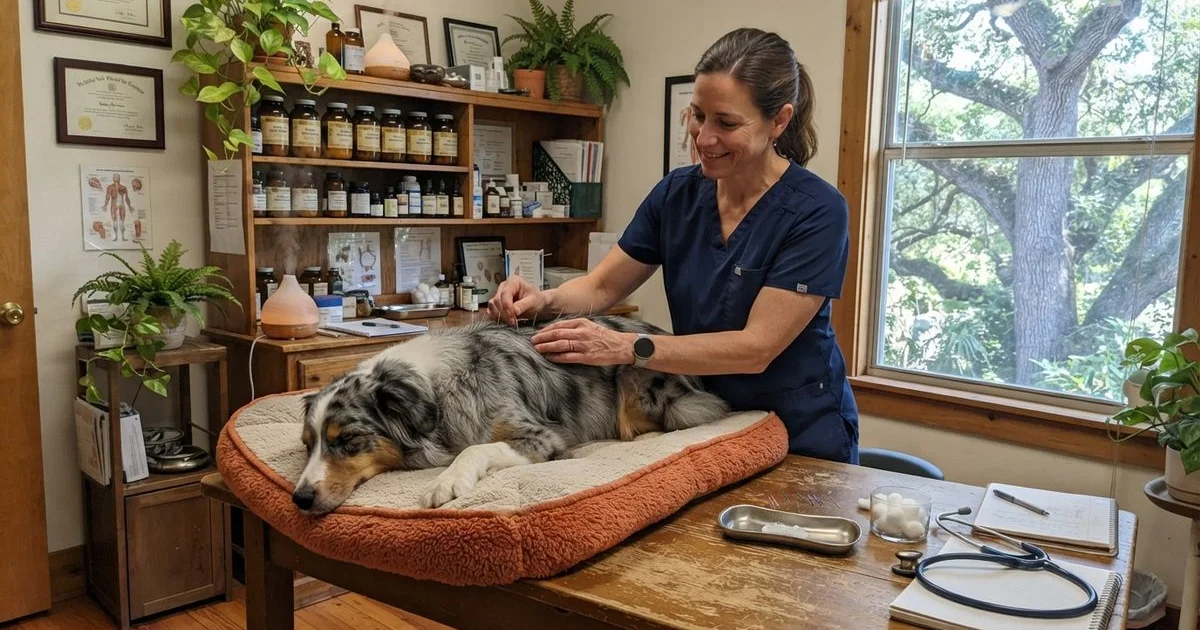
This is general information, not veterinary advice. No provider can promise results, and you should be wary of any that do.
Holistic and integrative are loose terms. Practices that use them tend to combine conventional veterinary medicine with other approaches such as acupuncture, nutrition work, physical rehabilitation or herbal supplements. Our holistic and integrative vets category lists the Austin practices that describe themselves this way. The glossary defines acupuncture. This guide covers how to decide.
What you might see offered
| Approach | What it usually involves | What to ask |
|---|---|---|
| Acupuncture | Fine needles at specific points | Who performs it and what training they have |
| Nutrition and diet | Customized feeding plans | Whether bloodwork guides the plan |
| Rehabilitation | Exercises and physical therapy | Who supervises and how progress is measured |
| Herbal or supplements | Non-prescription products | Interactions and quality sourcing |
| Conventional care | Exams, bloodwork, medication | Which parts are done in-house |
Integrative should mean in addition, not instead
A sensible integrative practice starts with a diagnosis. That means a real exam, and often bloodwork or imaging. If a provider recommends skipping standard care for a serious problem, or avoiding vaccines or diagnostics without a clear reason, get a second opinion from a conventional vet.
Questions to ask
- Are you a licensed veterinarian, and what extra training do you have in this approach?
- What is the diagnosis, and what is the goal of this treatment?
- How will we know if it is working, and when would we change course?
- What does it cost per session or per month?
- Will you share notes with my regular vet?
Plain answers are a good sign. Vague or guarantee-style answers are not.
What reviewers mention
In our reviews, people value time spent with the pet, careful explanations, and gentle handling of anxious animals. Complaints are the familiar ones: cost, and billing that was unclear. One reviewer described a first consult of about $200 for an hour. Another noted a late fee for arriving more than ten minutes late. These are individual reports and policies change. How we use review themes is explained on how we score.
Safety with supplements and herbs
Natural does not mean harmless. Some herbs and supplements affect clotting, liver function or other medicines. Tell every vet what your pet is taking, including treats and products from stores. Do not stop prescribed medication on someone’s advice without talking to the prescribing vet.
Cost and commitment
Integrative care may involve a series of visits. Ask how many sessions are expected, what you will pay in total, and what the stopping point is. A good provider will give you a plan with checkpoints.
When to go conventional first
Sudden illness, trauma, trouble breathing and anything resembling an emergency need conventional emergency care first. Integrative approaches may help with long-term comfort, mobility or maintenance once the situation is stable.
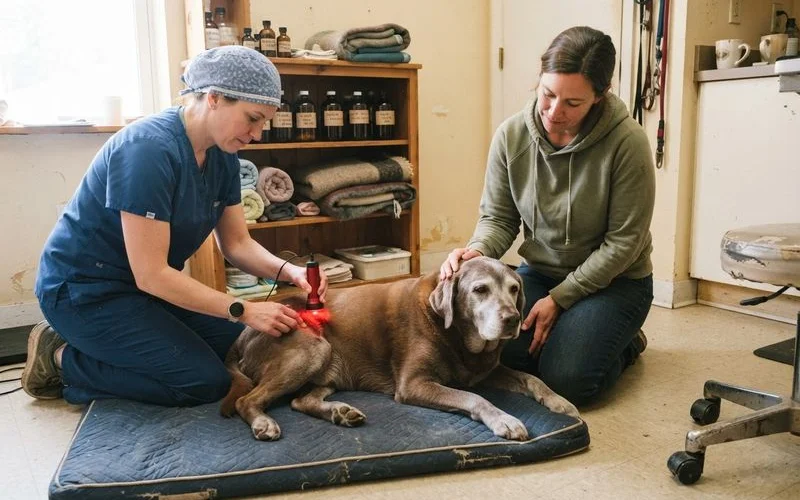
For more ways to compare clinics, head to the directory home.
FAQ
- Is holistic vet care a replacement for regular vet care?
- It is usually used alongside conventional care, not instead of it. Ask any provider how they coordinate with your regular vet.
- Do holistic vets have to be licensed?
- Veterinary medicine in Texas is regulated by a state board. Ask whether the person treating your pet is a licensed veterinarian and what additional training they hold.
- Does acupuncture work for pets?
- Evidence varies by condition, and a provider should not promise results. Ask what they expect and how they will track progress.
- Are supplements always safe?
- No. Some interact with medications. Tell every vet what your pet takes.