When your vet refers you to a specialist, and how to prepare
By Dana Whitfield · Updated 2026-09-14
This is general information, not veterinary advice. Your pet’s vet knows the case, so use this guide to ask better questions, not to second-guess a diagnosis.
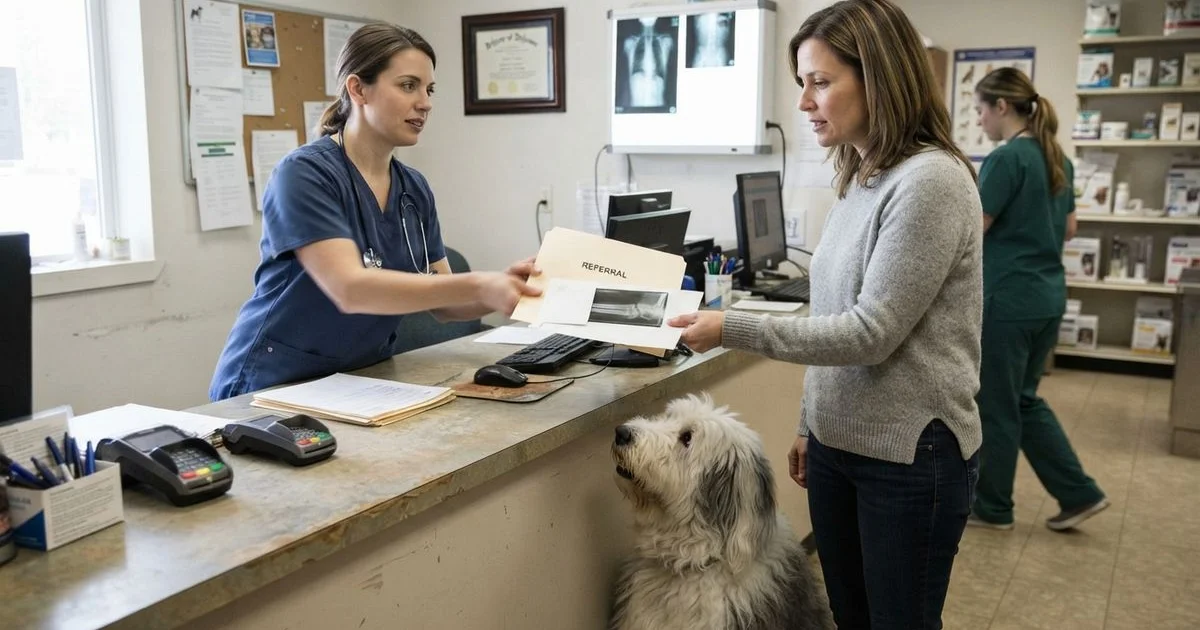
A referral means your primary vet is sending your pet to someone with extra training or equipment, such as an internal medicine, surgery, oncology or cardiology specialist. Our specialty and referral vets page lists these practices in Austin. The glossary defines the terms; this guide covers the practical side.
Why a vet refers
| Reason | Example |
|---|---|
| Needs advanced imaging | Ultrasound, CT or MRI |
| Needs specialized surgery | Orthopedic or soft-tissue procedures |
| Diagnosis unclear | Persistent symptoms with inconclusive tests |
| Ongoing disease management | Cancer, heart or kidney disease |
| Needs a second opinion | Large decision, uncertain path |
Prepare before the visit
- Get the records. Ask your vet to send bloodwork, x-rays and notes to the specialist, and keep a copy for yourself.
- Write the timeline. When symptoms started, what changed, what you tried.
- List medications and supplements, with doses.
- Ask your vet what they want answered. The specialist’s goal should be clear.
- Write your questions. About options, risks, recovery and cost.
Questions to ask the specialist
- What is your working diagnosis, and what could change it?
- What are the treatment options, including less intensive ones?
- What is the likely cost range for each, and what is included?
- What happens if we wait?
- Who handles follow-up care, you or my regular vet?
Specialists rarely promise results, and a good one will say so. Be wary of anyone who guarantees an outcome.
Cost and second opinions
Costs are the sharpest worry. Reviewers mention diagnostics of $450 for ultrasound, imaging and open biopsies in the thousands, and cancer surgery quotes that one reviewer described as high enough to drain savings. Another reported a second clinic quoting roughly half for an orthopedic repair. These are individual accounts, so use them only to calibrate your expectations. How we handle that kind of data is covered on how we score.
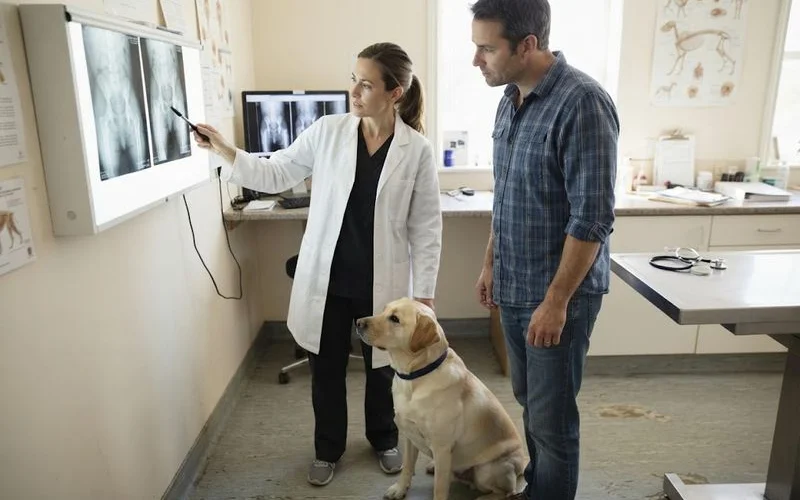
You can seek a second opinion. Ask for records, the written estimate and a clear description of the procedure. Compare the same plan, not a different one. If time matters, ask how long you can safely wait.
Recurring complaints to plan around
Complaints in our corpus include delayed diagnosis, billing that grew past the estimate, scheduling disruption when emergencies come in, and follow-up that fell through. You cannot prevent these, but you can reduce their effect by asking for a written plan, a named contact and an approval threshold for costs.
After the visit
Ask for a written summary and send it to your regular vet. Confirm who monitors medication and who you call with questions. If the plan feels unclear, say so. A specialist who explains clearly is a good sign.
For general help choosing clinics, the directory home is the place to start.
FAQ
- Do I need a referral to see a veterinary specialist?
- Many specialty practices ask for one so they have your pet's records, though policies differ. Call and ask.
- Is a referral a sign something is seriously wrong?
- Not always. It means the problem needs tools or training your general vet does not have, which can include diagnostics as well as treatment.
- Can I get a second opinion?
- Yes. Ask for records and the written plan, and bring them to another vet or specialist.
- How much does specialty care cost?
- More than general care, and sometimes a lot more. Reviewers mention figures from several thousand dollars up to five figures for cancer and orthopedic work. Always ask for a written estimate.