How to choose a general practice vet in Austin
By Dana Whitfield · Updated 2026-09-02
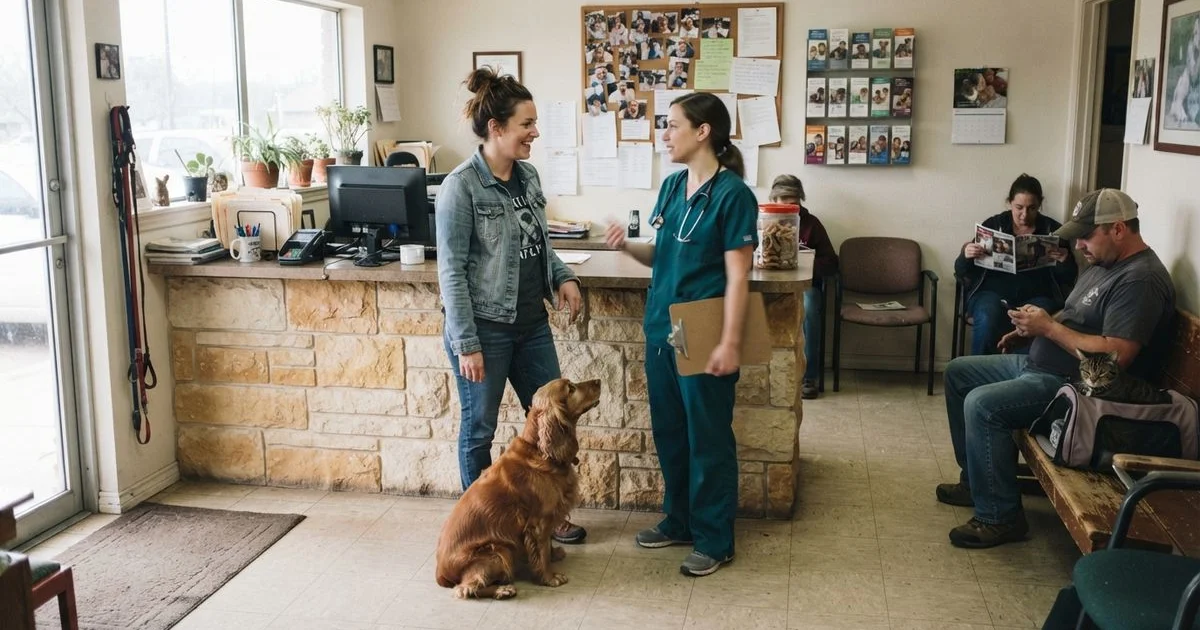
Choosing a primary vet is a long-term decision. This person or team will see your pet through vaccines, illness and old age, so a good fit matters more than a good coupon. This is general information, not veterinary advice.
You can browse every general practice vet we track in Austin, and the points below show you how to narrow the list.
What reviewers value most
We read across the review corpus for patterns. The praise themes that come up most for general practices are:
- Staff who are compassionate and patient, especially with anxious pets.
- Clear explanations of diagnoses and treatment options.
- Fast access to appointments and short waits.
- Transparent pricing and no pressure.
- Long-term trust, with some people staying with a clinic for years.
The complaints are the mirror image: long waits despite booked slots, unreturned phone calls, billing surprises, records errors, and a feeling of being upsold. Some reviewers also note clinics that are closed to new clients. How we turn those themes into ratings is on how we score.
A simple checklist
| What to check | How to check it |
|---|---|
| Access | Ask how soon a new patient can book and how same-day sick visits work |
| Hours and after-hours plan | Ask where they send emergencies |
| Communication | Notice whether phone calls and messages get answered |
| Pricing | Ask for exam fees and typical wellness costs |
| Handling anxious pets | Ask about low-stress or fear-free approaches |
| Services | Dental, surgery, imaging and lab work in-house or referred out |
| Records | Ask how you get copies and how fast |
Questions for the first call
- Are you accepting new patients, and how long is the wait for a first visit?
- What does a new-patient exam include, and what does it cost?
- Do you do dental cleanings and surgery here?
- How do you handle nervous or fearful animals?
- Who covers emergencies when you are closed?
If the person on the phone is rushed or vague, treat that as information. It is not proof of anything, but it predicts what scheduling will feel like later.
Credentials and what they mean
Your vet should be a licensed DVM, and many clinics list their veterinarians’ backgrounds. A specialist credential matters if your pet has a complex condition, but for routine care it is not required. A general practice that is comfortable referring you onward is a good sign, not a weakness.
Test the fit
Book a short first visit before you need the clinic. Watch how the team handles your pet, whether the vet explains what they are doing, and whether you leave knowing the plan and the price. Bring a list of questions and ask about preventive care and vaccine timing. If something feels off, it is fine to try another clinic. Records can be transferred.

For ratings, review themes and location in one place, start on the directory home.
FAQ
- How do I know a vet is a good fit?
- Look for clear explanations, willingness to discuss options and costs, and a team that handles your pet calmly. A short first visit is the best test.
- Should I pick the closest clinic?
- Distance matters, especially for emergencies, but it should not outrank communication and availability. A clinic that cannot see you for weeks is less useful close by.
- Are online reviews reliable for choosing a vet?
- They are useful for patterns, not single stories. Look for themes repeated across many recent reviews.
- What if the clinic is not taking new clients?
- That is a common problem. Ask to join a waitlist and check a second or third option in parallel.